We are pleased to have contributed to the Reflection Group Report on Mobilizing Climate Resilience Financing
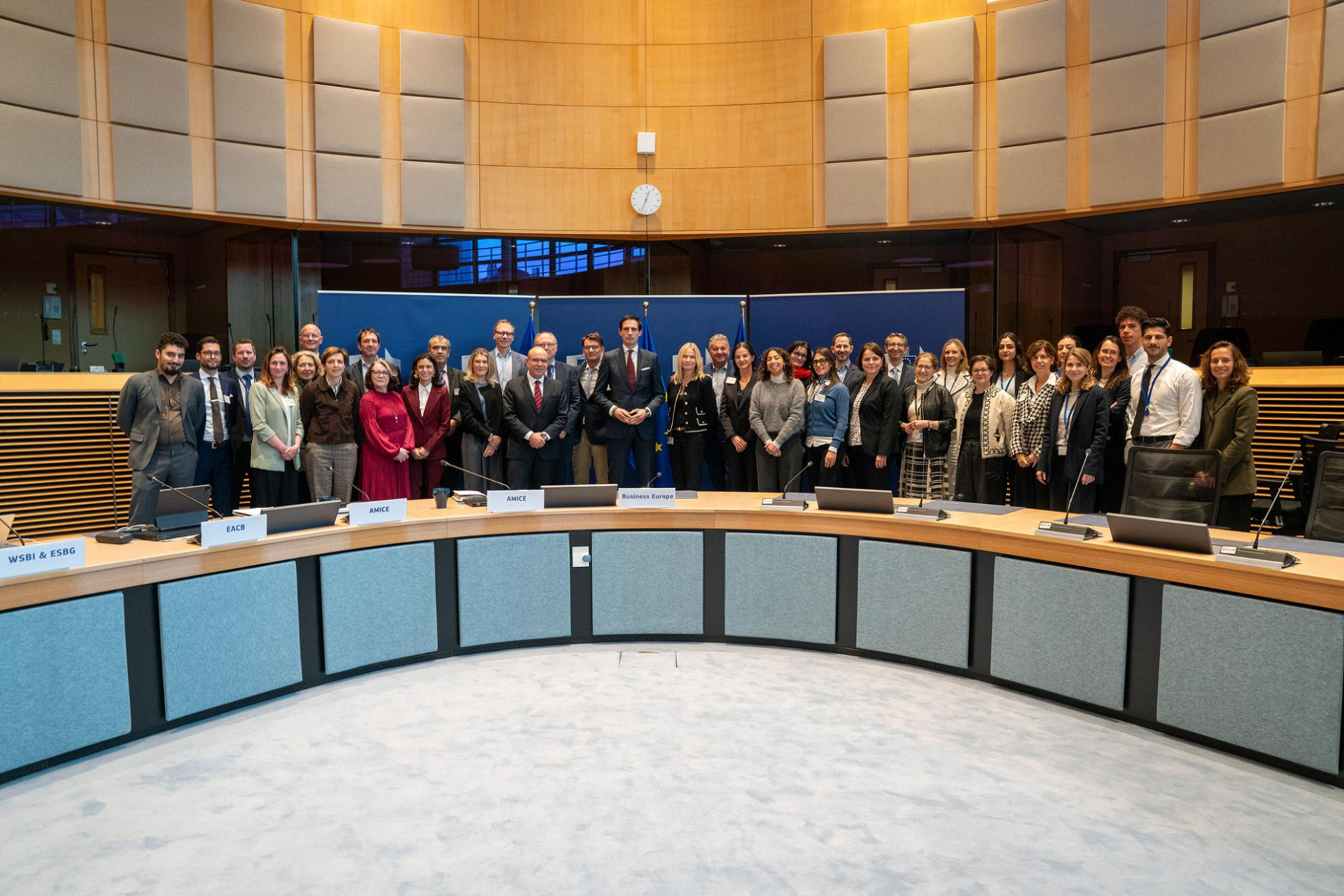
The Reflection Group on Mobilizing Climate Resilience Financing presented its report on Mobilizing Climate Resilience Financing to Commissioner Hoekstra on December 2nd 2025. Established two years ago by the European Commission, the Group was tasked with analyzing how to facilitate private sector financing for climate resilience. Its creation was announced in the Communication on Climate Risk Management and brought together representatives from public and private financial institutions, as well as industrial stakeholders. The work of the group shows it is a cross sector responsibility, reinforcing the efforts of each other. By embedding the concept of resilience by design we turn the page from being reactive to being proactive preventing economic losses and societal damages.
This report comes at a critical moment. Europe faces unprecedented challenges: mounting geopolitical pressures, housing shortages and accelerating climate change. The increasing frequency and severity of climate hazards underscores the urgency of action. Progress requires collective effort.
NWB Bank’s contribution
As President of the European Association of Public Banks (EAPB), NWB Bank contributed its deep expertise on the vital role of national promotional banks (NPBs) in advancing public policy objectives. Next, founded in 1954 by the Dutch water authorities after the devastating floods of 1953, financing climate resilience is at the heart of NWB Bank’s mission.
National promotional banks (NPBs) are key enablers
NPBs play a unique role in mobilizing resources for climate adaptation and resilience:
- Mobilizing private capital – NPBs fund their lending through issuing (green and social) bonds on the international capital markets, crowding in private investment.
- Leveraging EU funds – Acting as implementing partners, NPBs amplify the impact of public spending by using diverse financial instruments.
- Local expertise – Adaptation must reflect local needs; NPBs bring national and regional as well as sectoral knowledge.
- Financial sustainability – Operating on a non-profit-maximizing basis, NPBs share risk and attract diverse stakeholders.
- Policy integration – NPBs align multiple policy objectives and embed cutting-edge climate solutions.
Strengthening the framework
Two regulatory adjustments could further enhance the role of NPBs:
- Flexible allocation of Green Bond proceeds – Building on ICMA Green Bond Principles and IFC Blue Finance Guidelines, the EU Green Bond framework should allow clearer, more adaptable allocation of funds.
- Recognition of adaptation in capital requirements – Banks already assess physical climate risks in credit processes. Regulatory frameworks should reward adaptation measures by reflecting them in capital requirements, supporting both risk mitigation and new lending.
Looking ahead
Climate resilience financing is not optional—it is essential. By aligning regulatory frameworks, Europe can turn ambition into action and build a future that withstands the challenges ahead. NPBs stand ready to play their role.
The full report can be found here: Financing resilience: Reflection group presents final report on mobilising financing to help EU prepare for climate risks - Climate Action
More information?

Contact
- Press and Media
- For questions, send us an email.
- Send me an email